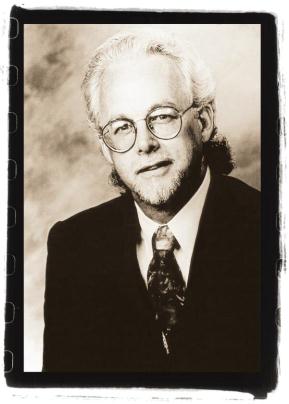
A
pivotal figure in the American recovery movement, and a huge
influence on the UK one, William (‘Bill’) White is a senior research
consultant at US-based addiction treatment and research institution
Chestnut Health Systems, and has authored or co-authored more than
400 articles and monographs and 16 books, including Slaying the
Dragon: The History of Addiction Treatment and Recovery in America and Let’s Go
Make Some History: Chronicles of the New Addiction Recovery Advocacy
Movement. His collected papers are available for free download at
www.williamwhitepapers.com
DDN
:
You’ve been working in the field for more than 40 years. It’s a broad question,
but what do you think are the most significant changes you’ve seen in that time?
Bill White: In my professional lifetime
, addiction treatment has grown from a
small but committed grassroots movement of a few hundred programmes in the
US to more than 13,000 speciality treatment centres that now constitute a multi-
billion dollar speciality healthcare industry. There have been dramatic changes in
patterns of addiction, the characteristics of those entering treatment, and the
profile of the treatment workforce.
Treatment itself has moved from the status of clinical folklore to a much more
science-guided endeavour, and screening and brief interventions have been
integrated into primary health care, business and industry and educational
settings far more than I could have ever predicted.
But even more than these changes, I have seen tens of thousands of people in
recovery marching in public celebration events and I’ve witnessed the
diversification of recovery support groups, the birth of new recovery support
institutions and an office within the White House calling for greater recovery
orientation of US addiction treatment programmes. Many of these are things I
could not have imagined witnessing in my lifetime.
Your career began at the end of a very different era, and you’ve described witnessing
the appalling conditions in some state psychiatric institutions – forced withdrawal,
shock therapy, straitjackets. What sort of an impact did this have on you – did it
shape your future work?
I saw the end of a period of very depraved conditions
to which people with severe
alcohol and drug problems were subjected – despair-filled drunk tanks in local jails,
stench-soaked back wards of aging state psychiatric hospitals, morality clauses of
local hospitals whose bylaws denied admission of alcoholics and addicts. I
reviewed patient medical records filled with earlier ‘treatments’ that included
involuntary sterilisation, pre-frontal lobotomies, electro- and chemo-convulsive
therapies, and drug insults of every description.
Those experiences affected me in two fundamental ways. First, knowing what
preceded them, I have never taken for granted the current treatment resources
that earlier generations fought to create, no matter how imperfect those
treatments may be. Second, I learned a profound lesson about harm in the name of
help that I have never forgotten. We judge such harm in history’s rearview mirror
with great condescension, but it’s very hard to see such injuries in our own time –
what current practices in addiction treatment will spark future historians to
ponder ‘what the hell were they thinking?’
20 |
drinkanddrugsnews
| December 2011
Profile |
William White
www.drinkanddrugsnews.com
STA
In his 40 years in the US
addictions field, William White
has been an outreach worker,
counsellor, clinical director,
researcher, trainer, consultant
and author. He tells DDN what
he thinks the sector’s future
might look like